
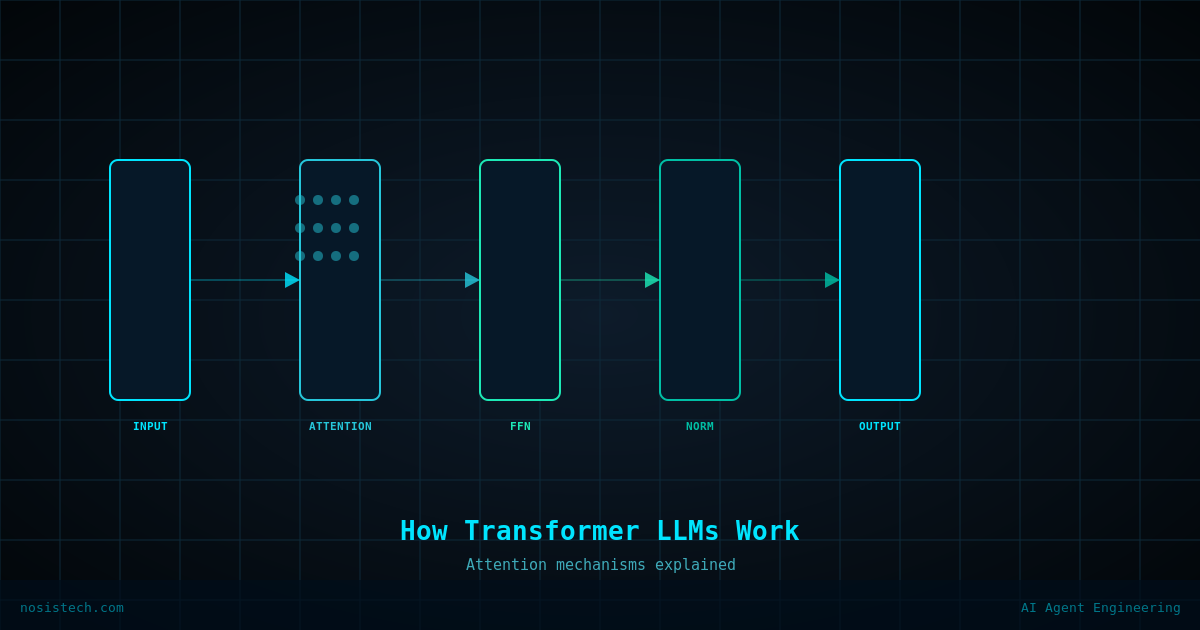
“How Transformer LLMs Work” from DeepLearning.AI covers the architecture behind the models most of us use every day, the actual mechanics of how a large language model reads input, processes it, and generates a response.
It gets technical fast. Attention heads, embedding layers, matrix operations, at a certain point I was watching the videos and understanding the words individually but not quite putting them together.
I finished the course. I got the certificate. And I retained maybe 50% of it deeply.
Reflection: The Model Checks Its Own Work
One concept that genuinely landed for me was reflection. In modern AI systems, especially agentic ones, the model doesn’t just generate an answer and stop. It can review what it just produced, evaluate whether it’s correct or complete, and revise before delivering a final response.
This is called reflection, and it matters more than it sounds. It’s part of why newer AI outputs feel more reliable than they used to. The model isn’t just guessing once — it’s checking itself. In governance and compliance terms, this is relevant because it means AI systems can be designed with built-in self-evaluation loops, which affects how you audit and validate their outputs.
Tool Use: The Model Can Reach Outside Itself
The other concept I held onto is tool use. A transformer model on its own only knows what it was trained on. But modern LLMs can be given access to external tools; a search engine, a calculator, a database, a calendar, and call those tools mid-response when needed.
This is what makes agentic AI actually agentic. The model isn’t just answering from memory. It’s deciding when it needs more information, calling a tool to get it, and incorporating the result. What I use every day with Claude; web searches, calendar events, document retrieval, is this exact capability in practice.
What I’d Tell Someone Starting This Course
Don’t expect to come out the other side understanding transformer architecture at an engineering level unless you have a math and ML background. That’s not the point for most of us.
The point is to understand enough to make better decisions about how these systems are designed, deployed, and governed.