
What I Learned Completing the Agentic AI Course by DeepLearning.AI
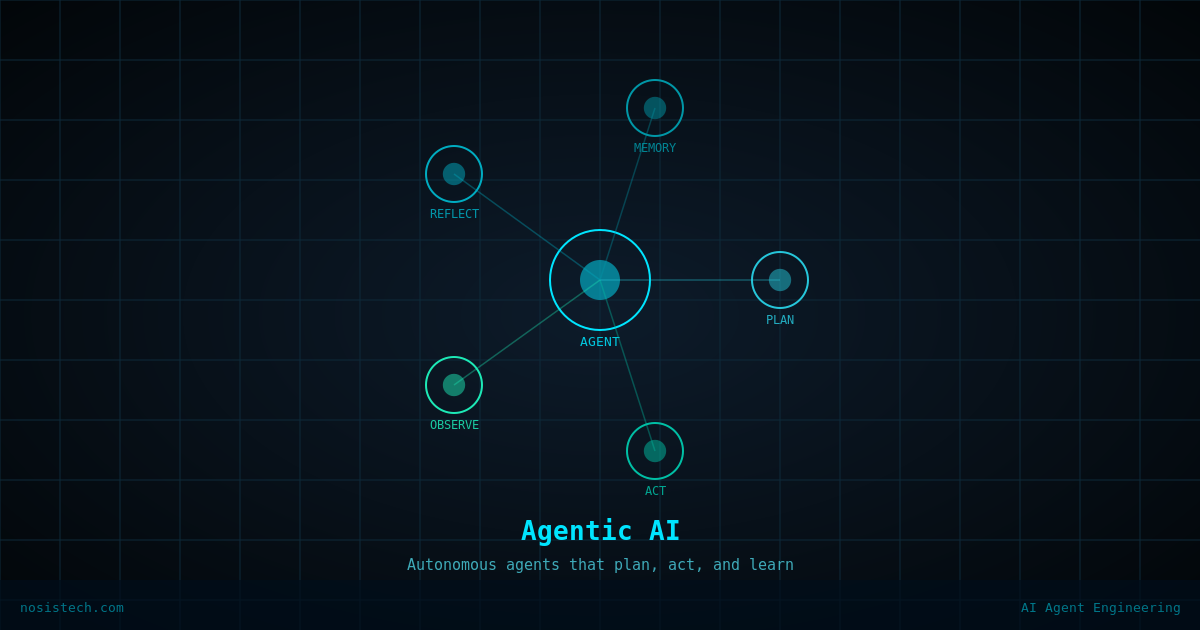
The most important mindset shift the course reinforced is that real-world agentic AI isn’t a single model answering questions. You can you a single agent but when you learn to use many. It’s a network of agents; each with a defined role, working together toward a goal. Some agents plan. Some execute. Some verify. Understanding how to design that orchestration layer is what separates someone who has used AI from someone who can deploy it.
Patterns
One of the key patterns covered is reflection — the ability of an agent to evaluate its own output, identify gaps, and iterate before delivering a result. This was the most accessible to me at the beginning. This isn’t just a prompt trick. It’s an architectural decision. When you build reflection into an agentic loop, you dramatically improve output quality without human intervention at every step.
The course goes deep on tool use, how agents call external functions, APIs, and services to interact with the real world. More importantly, it covers how to design those tool interfaces so agents use them correctly and reliably.
Why This Matters for AI Governance
From an AI governance perspective, multi-agent systems introduce new risk vectors. When agents delegate to sub-agents, the accountability chain gets complex.
Certificate: Verify here
Keep reading: AI course notes
Previous article: AI for Everyone — For Business Leaders
Next article: How Transformer LLMs Work – What I Retained
All articles: NosisTech Writing